
PHS School Thinking...
The shift from large, centralized school models to Small Schools and Small Learning Communities (SLCs) is not merely a transient trend; it is a systemic response to the limitations of “industrialized” education. As renowned educator Deborah Meier once noted: “Small schools are not a panacea, but they are a prerequisite for creating an environment where kindness and intelligence can flourish.”
A small school is defined not just by its enrollment numbers—typically under 400 for secondary and 200 for primary levels—but by the profound nature of the relationships within it. These benefits extend from academic outcomes to socio-emotional development and organizational efficiency.
One of the most compelling arguments for small schools lies in their ability to close the achievement gap, particularly for disadvantaged students. Research by Kathleen Cotton (2001) indicates that students in small schools consistently perform as well as or better than those in large schools on standardized tests in reading, math, and science.
The engine of this progress is the “visibility” of the individual. According to data from the Tennessee STAR Project, in an ideal class size, teachers can provide significantly more personalized instruction. Dr. Linda Darling-Hammond of Stanford University observes:
“In small schools, teachers know students well—not just their names, but how they think, what they fear, and what motivates them.” When a student is no longer an anonymous “number” in a crowd of thousands, their sense of accountability and engagement increases naturally.
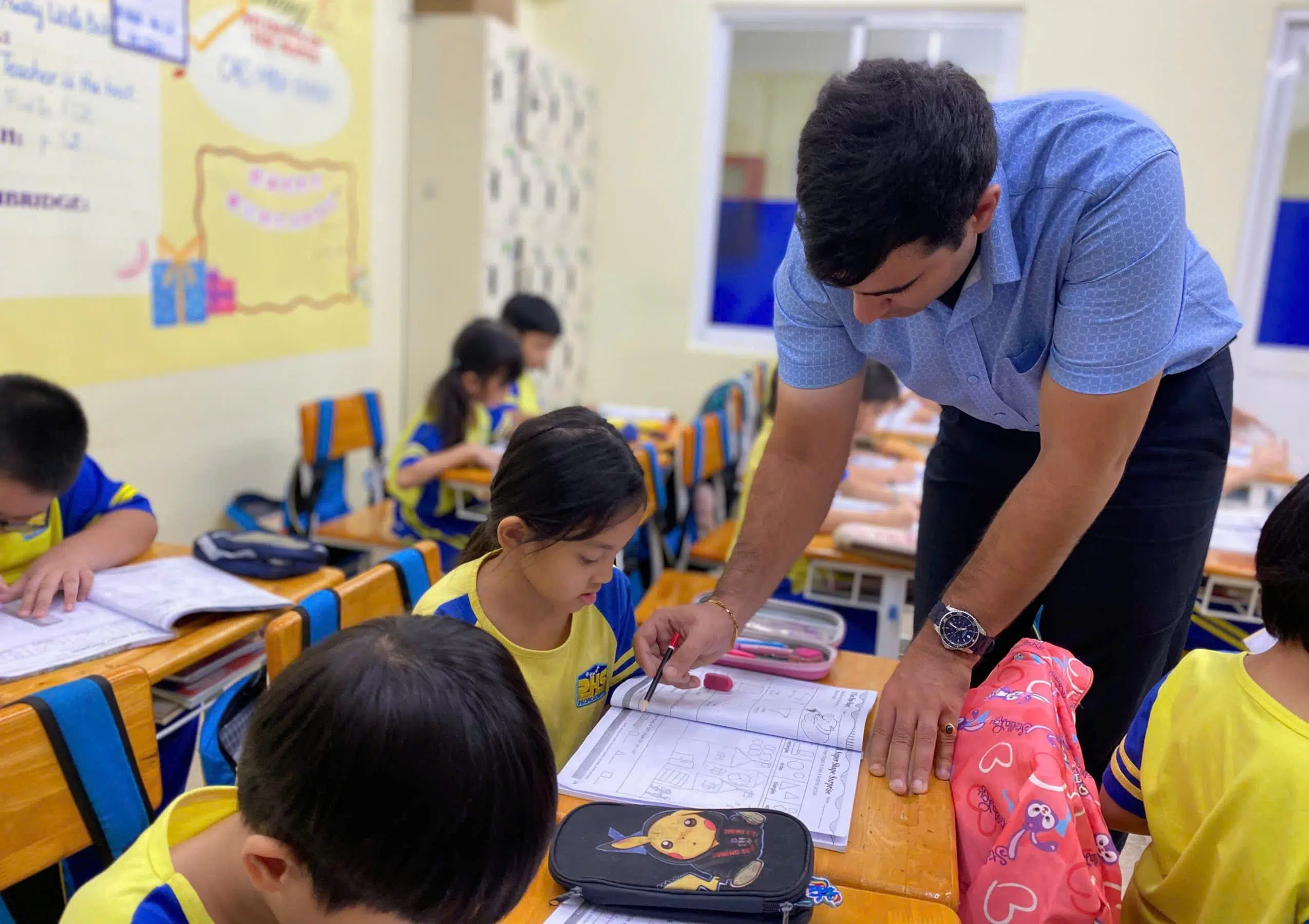
Small schools create an ecosystem rooted in empathy. Reports from the Annenberg Institute for School Reform show that in small communities, every child is known by at least one adult who takes direct responsibility for their growth. This creates a “psychological safety net” where students feel secure enough to take academic risks and express their identity without fear of ridicule.
In terms of safety, a smaller scale is a natural deterrent to violence. Studies by Mary Anne Raywid (1999) confirm that small schools experience:
Agility is a strategic advantage for small schools. With fewer administrative layers, these institutions can respond rapidly to new learning opportunities or changing student needs. Teachers often wear multiple hats, which not only reduces overhead costs but also fosters professional collaboration across disciplines.
Furthermore, the partnership between school and home becomes more intimate. Research shows that parent engagement is 30-40% higher in small schools. Teacher satisfaction also rises due to greater autonomy in curriculum design. As Ted Sizer famously said: “You cannot teach well a child you do not know.”

#TruongQuyMoNho #GiaoDucCaNhanHoa #MoiTruongHocTap #TruongHocHanhPhuc #TamLyHocDuong #DongHanhCungCon #SmallSchools #SmallLearningCommunities #PersonalizedLearning #FutureOfEducation #EducationReform #SchoolCulture #HolisticEducation

Pacific Primary, Middle, and High School is a Vietnamese-English bilingual institution structured according to international standards. We are dedicated to fostering core competencies, enabling students to integrate seamlessly into the global education landscape while achieving their full personal potential.